
Understanding Chris Reeve Knives Blade Steels: S35VN vs. S45VN vs. MagnaCut
Posted by River's Edge Cutlery on
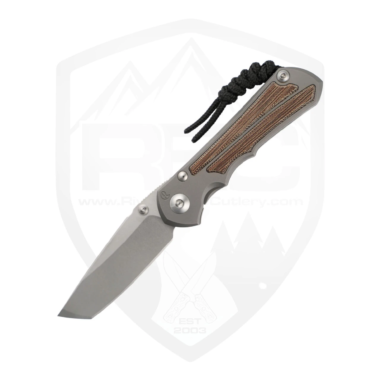
Chris Reeve Knives like the Sebenza and Inkosi don’t just sport unique and memorable names. They’re also made with high-end blade steels such as S35VN, S45VN, and MagnaCut which are widely considered by many to be super steels.
Now, this “super steel” designator is somewhat nonspecific, but nonetheless, the term is generally reserved for steels that offer more than common resistance to corrosion paired with high toughness and good edge retention.
All three of the steels invoked here, and which are commonly used in Chris Reeve Knives, do as much. But they are not the same, so let’s take a closer look.
About S35VN
S35VN steel, developed by CPM, is a relatively young steel alloy, one that represents a refinement over S30V.
In this alloy, carbon is present at a concentration of 1.4%, just a little bit less than in its forebear. It also contains 14% chromium, 2% molybdenum, 3% vanadium and .5% niobium. While S30V has a smidge of nitrogen, this has been removed in S35VN.
The slightly lower concentration of carbon results in a steel alloy, in this case S35VN, that is slightly tougher than S30V, and which is a little easier to machine, as well, though to knife users, that part hardly matters.
The tradeoff comes at the cost of edge retention. Less carbon means that fewer carbides can form, resulting in a slightly softer steel, even when properly heat treated. However, the difference is marginal, and vanadium and niobium carbides still carry this steel. Plus, on the bright side, most would agree that S35VN is a touch easier to sharpen than S30V.
As for corrosion resistance, it offers relatively good performance on that front as a result of its fairly high concentration of chromium which effectively mirrors S30V.
About S45VN
As S35VN represents a sort of innovation on the foundation of S30V, so too does S45VN rest on the shoulders of its predecessor, S35VN.
Also developed by CPM, S45VN was designed to replicate the toughness and edge retention of S35VN, but in this case, to maintain the toughness and edge retention of the former as well.
So, you might think of S45VN as a sort of improved version not just of S35VN but of S30V as well.
As far as metallurgical composition is concerned, in S45VN, we have carbon at 1.48%, chromium at 16%, and molybdenum and vanadium at 2% and 3%, respectively. We also have a little niobium, at a concentration of .5%, and in this alloy, nitrogen is reintroduced at .15%.
Basically, since the chemical makeup of S45VN is the same as in S35VN with respect to carbide forming elements, you get very similar hardness and carbide distribution as in the former. Toughness and edge retention are comparable, and S45VN, like S35VN remains relatively easy to sharpen compared to S30V.
Where it differs, really, is in the chromium and nitrogen content. With higher chromium content, and with a smidge of nitrogen, S45VN resists surface corrosion and rust in ways that S35VN does not.
So, in effect, we have a slightly better version of S35VN in S45VN.
MagnaCut Steel: The Pinnacle of Super Steels
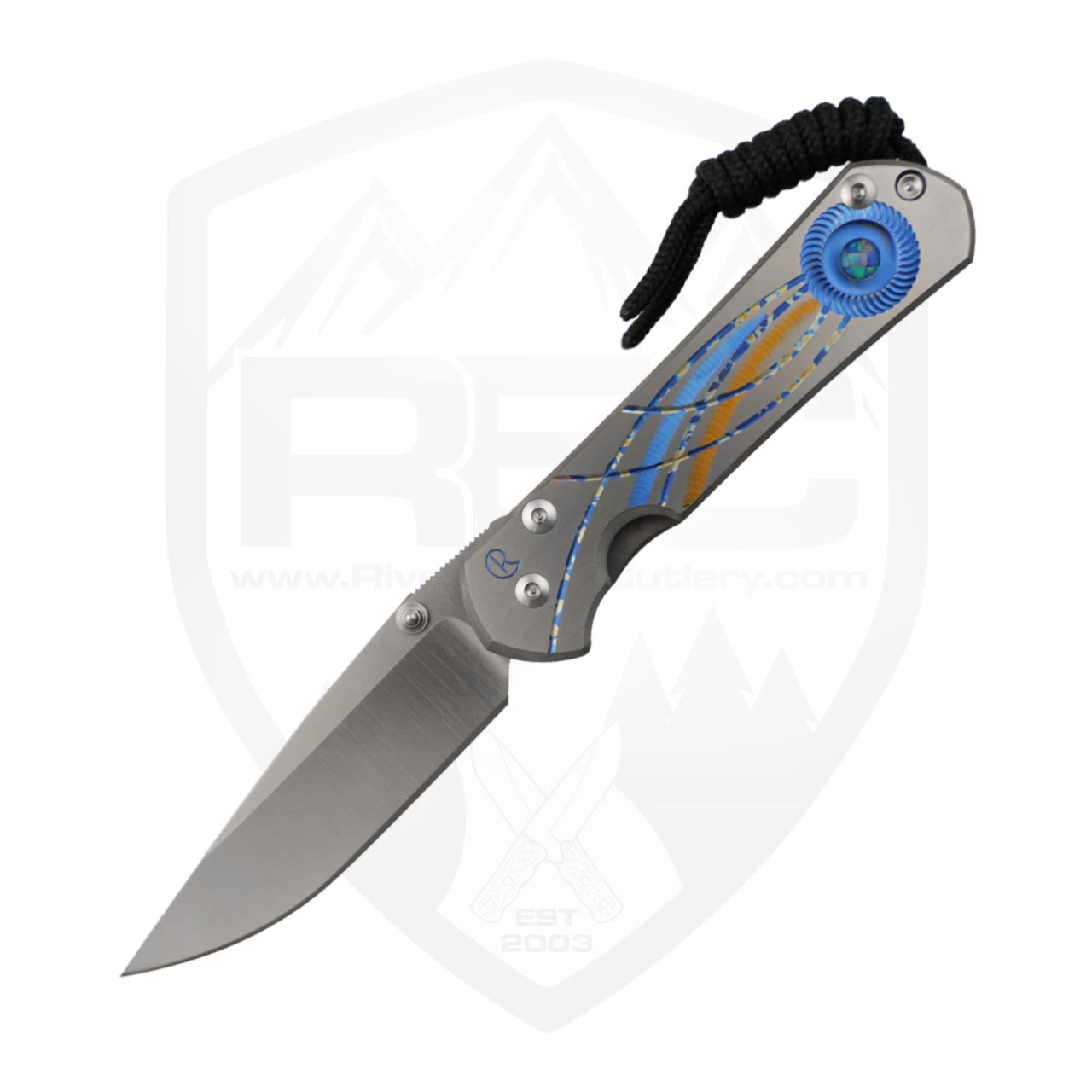
While both S35VN and S45VN are good knife steels, MagnaCut is, to use a word, excellent. It is widely considered to be one of the best knife steel alloys available, not just for the money, but overall.
For a long time it was considered difficult to achieve the ideal trifecta of knife steel attributes, which are toughness, edge retention and corrosion resistance, but this steel does it in ways that few other alloys can replicate.
MagnaCut steel has many of the same elements that the other two alloys covered here have, albeit in varying concentrations. It packs carbon at 1.15%, chromium at 10.7%, vanadium at 4%, molybdenum at 2%, niobium at 2% and nitrogen at .2%.
That much carbon, paired with that concentration of vanadium and niobium, results in a fine, even carbide distribution that can take and hold a relatively fine edge.
With that vanadium concentration along with molybdenum, it is also a very tough steel. And on top of that the slightly lower concentration of chromium helps resist rust without making the steel too soft.
And, considering the fact that there’s a bit of nitrogen, which also helps resist corrosion, this steel offers really good performance on all three fronts.
There are tougher steels, like 3V, and there are harder steels that will hold an edge longer, like S90V, but there are very few if any steels that are as tough, as hard, and as stainless as MagnaCut, which is why it is considered one of the best of all knife steels, not just for Chris Reeve Knives featuring it, but objectively.
Explore Chris Reeve Knives in Super Steels Here
Hopefully you found this short guide offering a brief insight into S35VN, S45VN, and MagnaCut steel helpful. If you want to learn more about some of the Chris Reeve Knives we sell that are made from these alloys, check out our online catalog or get in touch with us. We will be more than happy to help.